Social engineering didn’t suddenly become dangerous because of AI. What changed in 2025 was friction. The signals defenders relied on for years, like tone, wording, familiarity, even voice, became cheap to replicate at scale.
As we move into 2026, the question is no longer whether AI will be used in social engineering, but how deeply it will integrate into everyday workflows, approvals, and identity assumptions. The following observations aren’t predictions for a distant future; they’re patterns already emerging from real incidents, reporting, and defensive telemetry, now accelerating.
What’s changing in 2026: Four shifts defenders can’t ignore
Below is a breakdown of how these components come together, why they matter, and how they help organizations extract the maximum value from their HTB investment.
1) Real-time deepfake “conversations” become routine
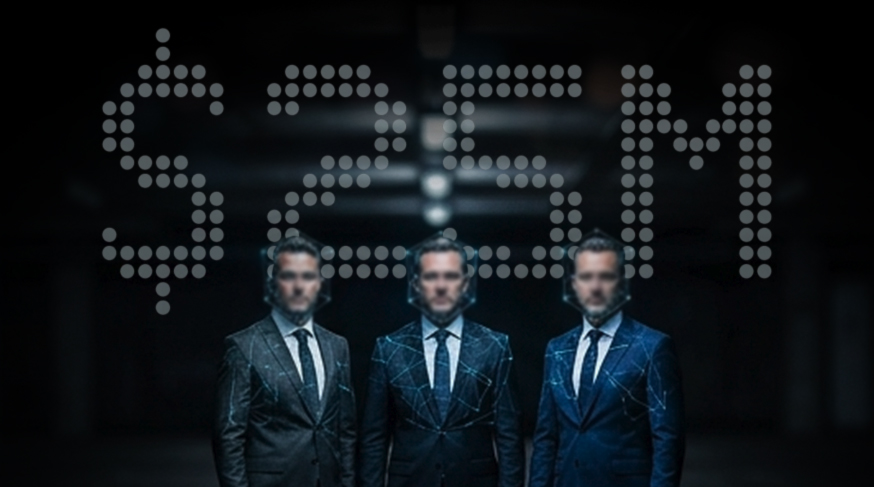
In 2025, many deepfake incidents were “point-in-time”, a short audio clip, a convincing video, a one-off lure. In 2026, expect more interactive deepfakes: calls where the attacker’s voice responds naturally, adapts to objections, and mirrors the cadence of a known executive.
That change matters because most organizations still verify identity using cues AI can mimic, like voice and writing style. This is where the phrase “trust but verify” stops being cute and becomes mandatory operations.
2) AI turns BEC into “workflow compromise”
BEC (Business Email Compromise) isn’t new, but it’s still painfully lucrative. The FBI’s 2024 IC3 annual report (released publicly) shows internet crime losses exceeding $16B overall. Federal Bureau of Investigation And social-engineering-enabled fraud remains central to that ecosystem.
In 2026, the bigger shift will be where the compromise happens:
➜ Not just the email thread —> the invoice workflow
➜ Not just the CFO—> the AP clerk + vendor onboarding process
➜ Not just “change the bank details”—> “change the policy exception that allows the change”
Attackers will aim to compromise approval logic, not just people.
3) “Synthetic familiarity” will beat traditional awareness training
Most awareness training is still anchored in outdated cues (“hover over the link,” “watch for spelling mistakes”). The problem: AI removes those cues.
In 2026, the most effective attacks won’t look suspicious, they’ll look routine. They’ll mimic:
➜ ticketing templates
➜ internal HR language
➜ vendor communications
➜ meeting follow-ups
Which means training needs a new goal: teaching people to pause on high-risk actions, not to spot “bad writing.”
4) Social engineering will converge with credential theft and session hijacking
Social engineering will increasingly be the front-end for technical takeover: steal session cookies, abuse OAuth consent, capture MFA tokens, and exploit helpdesk workflows.
Microsoft’s 2025 reporting explicitly frames adversaries using AI as a multiplier across phishing and deepfake generation, and emphasizes the need for authenticated comms and anomaly detection in communication patterns. Microsoft+1 The direction of travel is clear: persuasion gets the victim to do one small action; automation completes the compromise.
What defenders should do now (without turning into conspiracy theorists)
➜ 1. High-risk action” controls beat “spot the phishing”
Treat certain actions like financial controls:
- changing bank details
- adding new payees
- resetting MFA or approving device enrollment
- granting admin privileges
- sharing sensitive files externally
Implement out-of-band verification (call-back numbers from known directories, not the email signature), and require two-person integrity for the highest-risk changes.
➜ 2. Add authenticity to communication, not just security to endpoints
If your execs can approve payments via chat, your attackers will too. Practical steps:
- Verified internal comms channels for approvals
- Approved “signing” mechanisms for sensitive requests (even simple workflow signatures help)
- Clear rules: “No payment changes via email/chat—ever”
➜ 3. Instrument the human layer
This sounds abstract, but it isn’t. Your security stack should detect:
- unusual communication patterns (first-time contact, unusual time, unusual wording for that person)
- sudden urgency language + finance keywords
- helpdesk reset spikes
- mass QR redirects or new shortened links
➜ 4. Run “deepfake tabletop exercises” like you mean it
Most organizations tabletop ransomware. Fewer tabletop:
- “CEO voice note asks AP to reroute payment”
- “HR receives a video call to ‘verify’ identity documents”
- “Helpdesk gets a live call from ‘IT leadership’ demanding an emergency reset”
The uncomfortable conclusion
2026 is likely to reward organizations that do two things well:
- make high-risk actions boringly hard to do fast
- assume every identity signal can be faked, and build verification accordingly